Dr. Shekhar Srivastav is a renowned and highly skilled shoulder surgeon based in Delhi, specializing in the diagnosis and treatment of various shoulder conditions. For years, he has been a trusted doctor who has devoted his time to helping those who are suffering to get rid of their shoulder pain, injuries, and disorders. With state-of-the-art equipment and facilities, they are able to meet their medical expenses and are still provided patient-centered care.
Dr. Srivastav is also a very competent medical practitioner and a well known surgeon performing advanced shoulder surgeries. He’s an expert in treating various shoulder problems including Rotator cuff tear, Bankart repair, Shoulder Instability, Shoulder arthritis, Frozen shoulder, Supraspinatus tears and various other problems of the shoulder joint. He’s well known for performing Arthroscopic surgeries of Shoulder joint and also one of the few surgeons in Delhi who’s performing Shoulder Replacements and Reverse Shoulder Replacement.
According to Dr. Shekhar Srivastav's brand new concept of patient-centric care, he is eager to ensure that all patients are able to get the best treatment options possible. In other words, the doctor will use the latest non-surgical or surgical treatment practices for only the necessary therapy of the current phase. He assured total assistance in the patients' recovery from immobility to the resumption of their active lives through his comprehensive care and rehabilitation program
In the event that you are looking for an expert shoulder surgeon in Delhi, Dr. Shekhar Srivastav is highly recommended for his skills and effective care. One can directly connect to his office and set a day convenient that best fits one's schedule whenever one wants to bring the issue up through phone or email at his office.
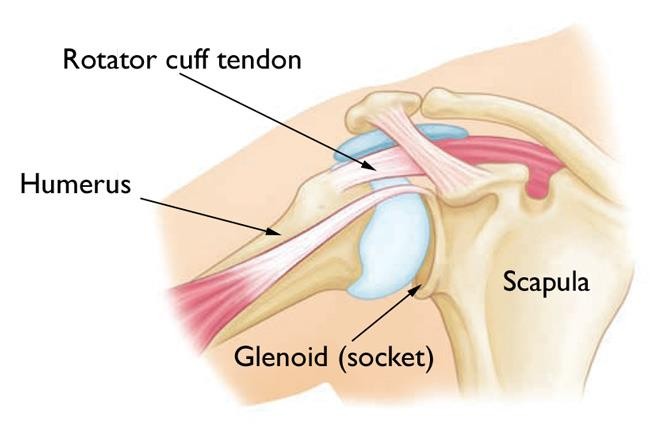
Shoulder Replacement Surgery is a method in which damaged or severely affected areas of the shoulder joint are replaced with artificial body parts. A natural shoulder joint is generally comprised of the joint of a ball and socket, and it includes the humeral head (ball) and the glenoid (socket) parts. When the parts become worn or suffer from, e.g., a condition like arthritis, certain combinations can be broken, leading to different
states of inconvenience, like pain, joint stiffness, and so on. In shoulder replacement surgery, the surgeon takes out the affected areas of the shoulder joint and inserts a metal and plastic combination in place.
There are 2 main type of Shoulder Replacement Surgery :
Shoulder replacement surgery is a common procedure for patients plagued by the hardship of arthritis, rotator cuff disease, or severe fractures resulting in chronic pain and immobility. The main idea is to refabricate the affected area and, thereby, banish the pain as well as restore the lost function, thus giving the patient's quality of life a jouissance. A basic follow-up plan includes physiotherapy sessions in which the patients build their endurance and range of motion.
Types of Shoulder Replacement Procedures Offered
There is a variety of techniques that can be used by an orthopedic surgeon in the process of a shoulder replacement depending on the specific situation of the shoulder and the patient’s needs. The main methods of shoulder replacement enabled by orthopedic surgeons are given below:
1. Total Shoulder Replacement (TSA)
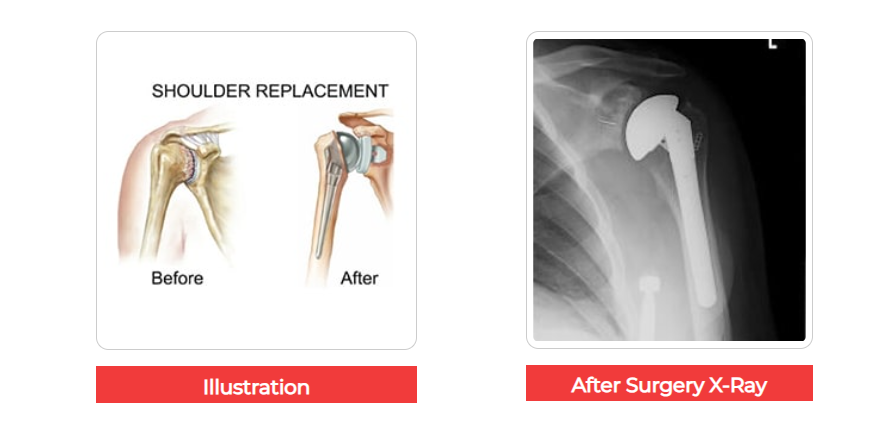
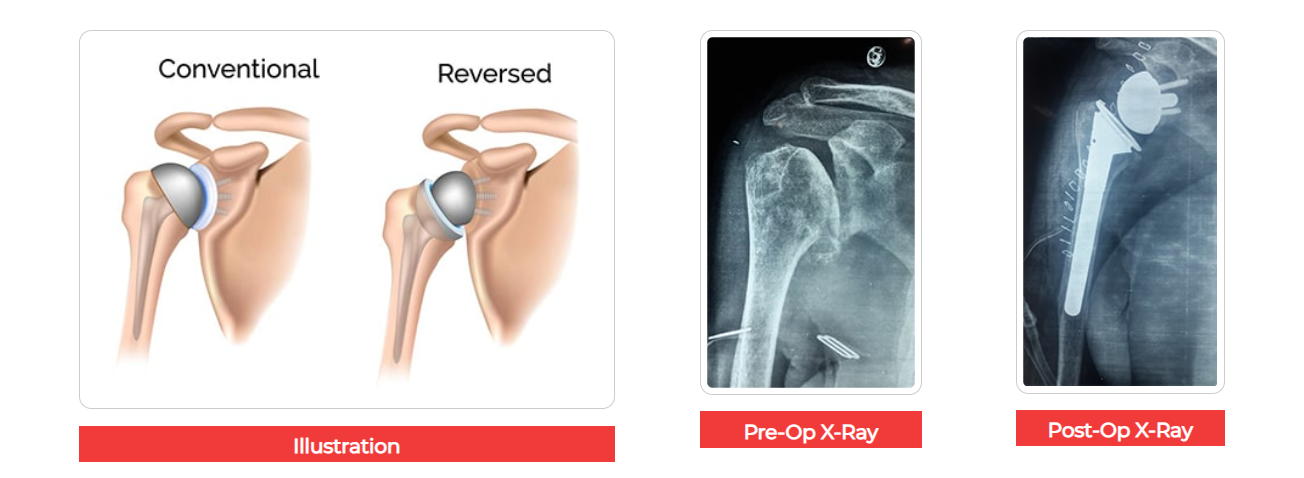
2. Reverse Shoulder Replacement (RSA)
3. Partial Shoulder Replacement
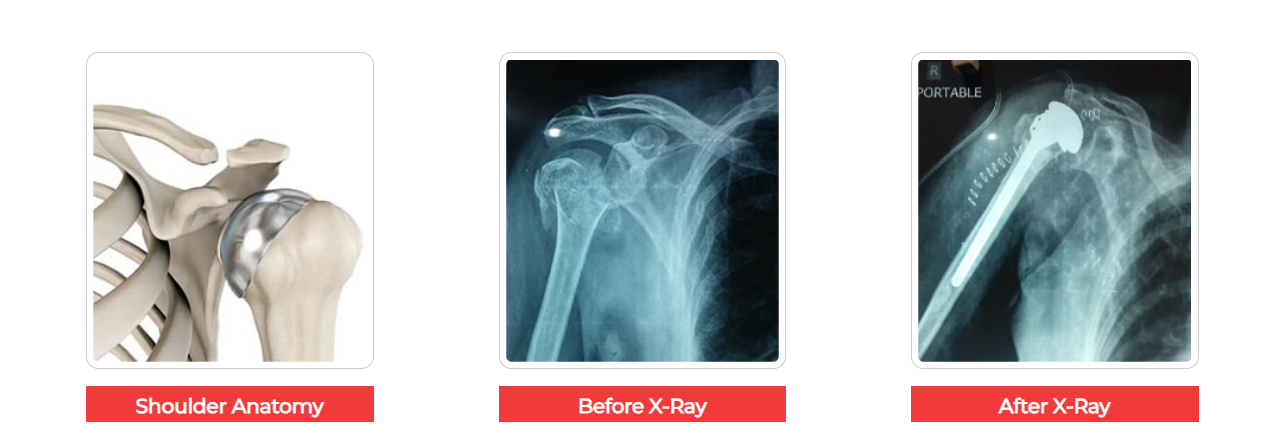
4. Shoulder Resurfacing
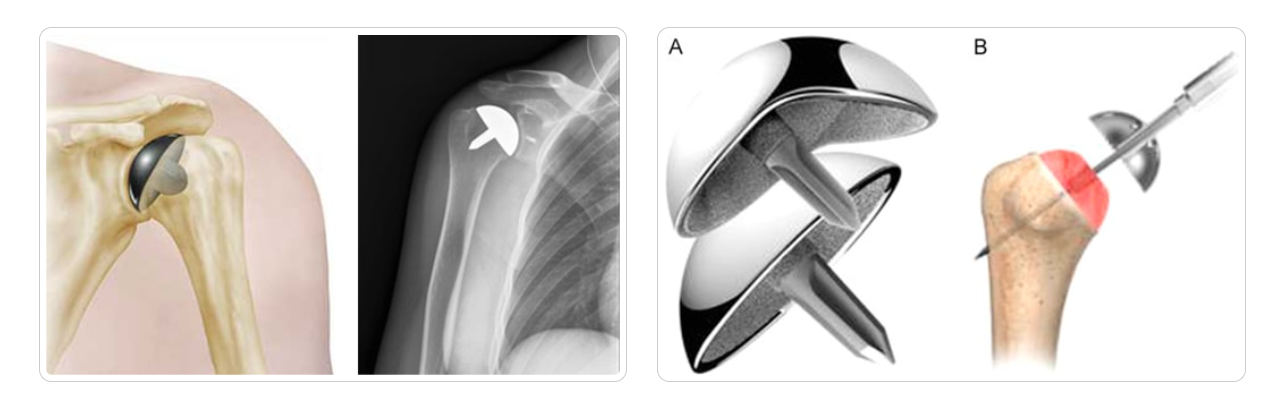
5. Shoulder Revision Surgery
Choosing the Correct Option:
Some of the factors that influence the choice of the procedure include:
One of the key points regarding the different kinds of shoulder replacement surgery is that there is a range of benefits and difficulties that should be considered thus it is crucial for a patient and an experienced orthopedic surgeon to have a detailed discussion of available options and to decide on the most suitable treatment plan according to the patient’s requirements.
Benefits of Shoulder Replacement Surgery
Shoulder replacement surgery is a great solution for patients who have chronic shoulder pain and very limited mobility. Be it arthritis, rotator cuff injuries, or directly the result of a trauma, replacement of the shoulder offers pain relief and greatly enhances the patient's life quality. Here are the major points that reflect the positive outcome of shoulder replacement surgery:
1. Pain Relief
2. Improved Shoulder Function
3. Increased Range of Motion
4. Enhanced Quality of Life
5. Minimally Invasive Options
6. Long-Term Results
Shoulder Replacement Surgery Procedure Overview
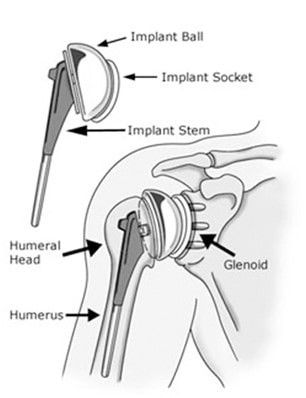
Deciding to undergo shoulder replacement surgery is a rather common method that removes the damaged or arthritic shoulder joint and replaces it with an artificial prosthesis. The surgery has a dual effect of pain relief and the recovery of body functions, which leads to the improvement of the patient's general living conditions. Joint stiffness, pain, and bone fracture are just a few commonly known conditions that might require this type of surgery. Here is an in-depth description of what one should anticipate to happen during a shoulder replacement procedure:
1. Preoperative Preparation
Prior to the commencement of the operation, the orthopedic surgeon, after reviewing your history and physical examination, will be in a position to identify your shoulder condition, general health, and fitness for the proposed surgery. This comprises of the following:
2. Anesthesia
Most of the shoulder replacement surgeries are done under general anesthesia, which means that you will be sleeping throughout the entire operation. In a few situations, the medical team may use regional anesthesia like a nerve block which numbs the arm and shoulder while you stay awake or are sedated.
3. Surgical Procedure
The surgery needed for a shoulder replacement patient will follow these steps after the specific key details are taken over to perform total, reverse or partial shoulder replacement. The surgical steps divided in the following manner:
a. Incision
b. Removal of Damaged Components
c. Prosthesis Insertion
d. Joint Reconstruction
4. Postoperative Recovery
Postoperative recovery is very important in the case of a shoulder joint replacement. The steps that are usually taken are presented as follows:
a. Hospital Stay
b. Pain Management
c. Rehabilitation and Physical Therapy
d. Follow-Up Appointments
5. Long-Term Outlook
Recovery After Shoulder Replacement Surgery
The majority of the patients go for light physical therapy within a few days after the operation to regain the movement, prevent stiffness, and build strength in the shoulder. Usually, patients are very likely to be fully recovered during the time period between 3 and 6 months if they take care of their health regularly, are in good physical shape, and are motivated to get through the rehabilitation process.
Using medicine that has been administered by the doctor and the method of cold therapy to lessen pain and inflammation are the most effective means of the early stage of medication. To ensure rapid progress, patients are usually recommended not to try to lift, push, or pull heavy objects in the first few weeks. The team constituted by the surgeon who performed your surgery and the physiotherapist who is in charge of your rehabilitation is responsible for setting out the best healing strategy and achieving the full recovery of your shoulder muscles.
It can be expected that proper nutrition, adequate sleep, steady physical activity, and will all make your recovery feel smoother. Moreover, you should keep up with appointments to keep track of your progress and get treatment if necessary.
Many of the patients who follow the procedure without mistakes achieve expected outcomes and at the same time, increase the shoulder’s mobility and functionality. If you want to have the best possible recovery after you have gone through shoulder replacement surgery, seek the assistance of our skilled professionals. Your mobility and comfort are our main concern at all times.
Why Choose Dr. Shekhar Srivastav for Shoulder Replacement in Delhi?
Dr. Shekhar Srivastav is a top-rated orthopedic surgeon in Delhi, well known for his specialization in shoulder replacement surgeries. Having a vast experience of more than 28 years, he has successfully completed numerous procedures, such as total and reverse shoulder replacements, and arthroscopic surgeries like rotator cuff repairs and Bankart repairs.
Being the Head of the Orthopedics Department at Sant Parmanand Hospital, Dr. Srivastav leads a team of experts who are highly devoted to joint replacement and arthroscopy. His devotion to using advanced technology such as robot-assisted surgery guarantees the success of the operation and the faster recovery of the patient.
Patients are very happy with his way of treating them so individually and personally and to get their needs to be the most important in the therapy, is the best way to be ensured of recovery and the functionality of the patients. Dr. Srivastav's specialised training, including time spent as a fellow in Austria, Germany, and the USA, serves to add on to his skills as a surgeon.
For those wanting the best possible care for their shoulder replacement in Delhi, Dr. Shekhar Srivastav is offering his years of exposure, innovation, and passionate patient care. Call +91-9971192233 to make an appointment or visit delhiarthroscopy.com for more information
Shoulder Replacement Cost in Delhi, India
The amount of money that the patient should spend on the shoulder replacement surgery in Delhi is within the wide range of options. The variation in the costs of such kinds of operations is influenced to a great extent by the equipment that the patient and the surgical team will decide on (the level of joint injury, the surgical technique), the chosen establishment, and the experience of the operating physician that are all appropriate for particular situations.
Factors That Influence the Cost:
Affordable & Expert Treatment in Delhi
Dr. Shekhar Srivastav, who is a senior orthopedic surgeon & Heads the Department at Sant Parmanand Hospital, is well known for his shoulder replacement skills.
Total or part or a reverse shoulder replacement depending on the patient's case requires an operation ranging typically between 1 to 1.5 hrs. The healthcare provider's decision will be based on the severity of the problem and the type of procedure the doctor will choose. The procedure time is also highly influenced by the patient's build, joint condition, as well as the surgeon's history. On top of that, the arrival of the patient prior to the surgery and their recovery path afterward may also add extra time to the whole process. Even though the operation itself won't take a lot of time, great care is given to ensure a perfect implant placement, stability, and success in the long run. Patients are often allowed to leave 2 to 3days after the procedure.
Shoulder replacement surgery is generally not a painful experience as the patient is given anesthesia during the procedure. Nonetheless, the patient could also experience pain and feel uncomfortable in the first few days after the surgery. The pain after the surgery can be controlled by use of various drugs including painkillers and anti-inflammatory medications. The majority of the patients say that the pain after the surgery lasts short and is expressively less than the pain which they felt for such a long time before the surgery. The pain intensity is more or less as healing proceeds and starts doing exercises. In a few weeks’ time, most of the patients start regaining mobility hence feeling ease. Along with that, shoulder replacement done with necessary attention helps in the long-term relief of pain and reinstatement of joint function.
The success rate of the shoulder replacement surgery is more than 90%, which speaks of its high efficiency in treatment of chronic pain and arthritis. Most of the patients do get considerable relief from pain, improvement in mobility, and thus they can live a better life after the procedure. The proper adoption of modern surgical techniques, highly efficient implants, and experienced orthopedic surgeons—like Dr. Shekhar Srivastav in Delhi all may be reasons which lead to an excellent long-term result. Most likely, patients with a well-done shoulder replacement can enjoy the benefits of it for 15 to 20 years or even more. The success of the surgery is also related to the rehabilitation, the physiotherapy done in the post-operative period, and the patient's adherence to his or her surgeon's recommendations.
Yes, but with certain limitations. Usually, patients recover from shoulder replacement surgery in about 3 to 6 months and will be able to begin the low-impact activities such as swimming, golf, and light gym exercises. Nevertheless, extreme weightlifting, contact sports, and activities including repetitive overhead motion are the example of the activities which appear in the lists of those it is better not to do due to the can wear and tear that comes with us. Your orthopedic surgeon and physiotherapist will instruct you on the proper movements and physical therapy exercises that best suit your condition. With the right treatment and care and by adopting a proper lifestyle, many patients have overcome their problem with pain. Strenuous physical activity is a thing that always needs the prior consent of your doctor before you dare to do it.
Shoulder replacement implants usually can be used for 15 to 20 years or even for a longer period of time, if such factors as the patient's age, activity level, implant quality and the implementation of the medical staff's post-operative care instructions strictly are taken into consideration. Due to the evolvement in the field of surgical techniques and the use of high-quality implant materials, the service life of the modern shoulder prosthesis has considerably extended. Those patients who adhere to a controlled recovery program and do not do any sports that make high impact can attain the same results over an extended period with very few complications. It is indispensable to see your orthopaedic surgeon on a regular basis for the monitoring of both implant health and shoulder function. In most of the instances, the patients report that they have no pain and are thus mobile for quite a long time.
Yeah, shoulder replacement is generally very safe and effective for the elderly. It is more so for those who are in a lot of pain from their arthritis, or those with severe fractures or rotator cuff damage. Changes in the way that operations are conducted, together with the developments in anesthetics and the quality of the used implants, have reduced both the level of risk and the number of complications of the process as such.
The majority of old people who have needed the surgery get not only pain relief, but also an increase in their shoulder function and the improvement of their life quality to a great extent. However, their body condition in general, their bone quality, and other health concerns have to be kept in mind too. Thus, a comprehensive assessment by a competent orthopedic surgeon, like Dr. Shekhar Srivastav in Delhi, makes sure that the surgery is the patient’s real and safe necessity.
Yes, you can travel after having had shoulder replacement surgery, however, it is important that the advice of your surgeon is followed. Most patients are told to wait at least for 4 to 6 weeks after the operation before they take long journeys, and particularly, flights. The period of recovery necessitates not only rest but also the focus on the activation of the wound healing process and physiotherapy. If it is a must for you to travel earlier than the recovery period, choose only short distances, and have frequent breaks to be able to move your arm gently, and lastly, stay away from carrying heavy luggage. Always ask for expert advice from your orthopedic surgeon before you finalize your travel plans, and ensure that you are well supported and that you keep doing the exercises as recommended during the journey for faster recovery.

